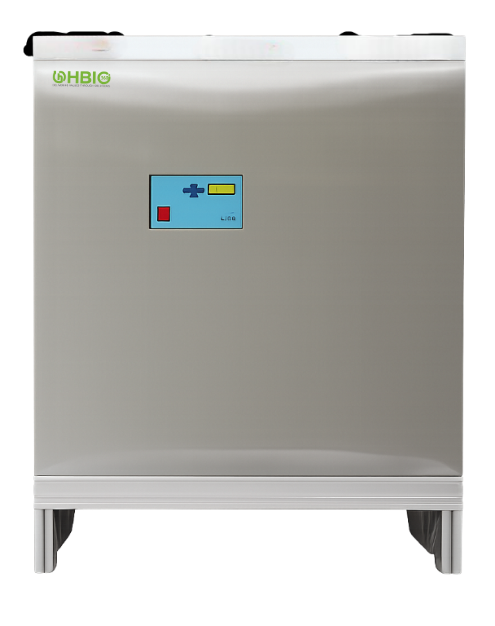
PSA Nitrogen Generator
PSA (Pressure Swing Adsorption) nitrogen generators are on-site systems that produce high-purity nitrogen gas from compressed air, using the PSA process. These generators are widely used in various industries across Europe due to their reliability, efficiency, and ability to provide a consistent supply of nitrogen.
Features and Benefits :
High Purity:
PSA technology allows for the generation of nitrogen with purities ranging from 95% to 99.999%, depending on the specific application and generator model.
Cost-Effective:
On-site nitrogen generation eliminates the need for expensive and bulky nitrogen cylinders, reducing costs associated with procurement, transportation, and storage.
Reliable and Consistent Supply:
PSA generators provide a continuous flow of nitrogen, ensuring a reliable supply for various industrial processes, unlike relying on external sources.
Compact and Modular Design:
Many European PSA nitrogen generators are designed with a compact footprint and modular construction, making them suitable for various installation environments and easy to integrate into existing systems.
Advanced Control Systems:
State-of-the-art control systems are often incorporated to monitor generator performance, enable self-diagnostics, and facilitate integration with plant-wide control systems.
Wide Range of Applications:
PSA nitrogen generators are used in diverse industries, including electronics, chemicals, pharmaceuticals, food and beverage, oil and gas, and fire prevention.
Environmental Advantages:
On-site nitrogen generation reduces carbon footprint compared to transporting nitrogen cylinders and minimizes reliance on external gas suppliers.
Specific Design Considerations:
European manufacturers often adhere to rigorous safety standards and regulations, ensuring high-quality and reliable operation.
How PSA Nitrogen Generators Work:
PSA nitrogen generators utilize the principle of Pressure Swing Adsorption. Compressed air, after being purified, is passed through a vessel filled with a Carbon Molecular Sieve (CMS). CMS selectively adsorbs oxygen and other gas molecules under pressure, allowing nitrogen to pass through. The process alternates between adsorption and regeneration cycles, with one vessel adsorbing while the other is depressurized and regenerated, ensuring a continuous flow of nitrogen.